Capturing Nature's Blueprint: The Leaf Vein Embroidery Design
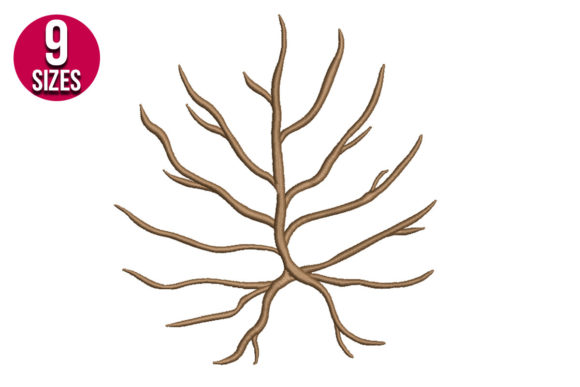
For the modern maker, whether a professional designer, a craft-based entrepreneur, or a dedicated hobbyist, the true magic lies in details. In the world of machine embroidery, a design isn't just a pattern; it's a tool for expression, a component in a larger creative or commercial workflow. The Leaf Vein embroidery file exemplifies this perfectly. It is a meticulously crafted digital design that replicates the intricate, branching network of a leaf's vascular system. This isn't merely a generic nature motif; it's a faithful homage to one of biology's most elegant structural patterns, offering a level of detail that elevates any project it adorns.
Integrating Detailed Nature into Your Creative Process
Where does such a specialized design fit? The Leaf Vein file serves as a powerful asset at multiple points in a project lifecycle. For the planner, it can be the central design element chosen during the initial conceptual phase for a garment, home décor item, or branded merchandise. Its organic complexity makes it suitable for projects aiming for an aesthetic of sophisticated natural beauty, subtle texture, or scientific artistry. Unlike simpler floral designs, the vein pattern offers a more abstract yet recognizable natural form, providing versatility.
During the execution phase, this design interacts directly with your machinery and materials. The fact that it comes in multiple embroidery file formats is a critical workflow compatibility feature. It means the designer or embroiderer isn't locked into a single machine brand. Whether using a Brother, Janome, Husqvarna, or other system, the design can be loaded and used, removing a common technical barrier. This interoperability ensures the asset can be integrated smoothly into a production run or a one-off creative experiment without format conversion headaches.
Practical Implementation and Workflow Considerations
Successful use begins with preparation. Assessing the project substrate is key. The Leaf Vein design, with its fine lines and potential density, works excellently on stable, medium-weight fabrics like cotton twill, linen, or canvas. For apparel applications, consider placement on pockets, collars, or as an all-over repeated pattern on a jacket back. In home décor, it becomes a striking element on pillow covers, table runners, or framed textile art. A crucial preparatory step is testing the design on a scrap of the final fabric. This allows for adjustment of tension, thread choice, and stabilization method, ensuring the delicate veins stitch out cleanly without puckering.
From an efficiency and organization standpoint, this single design file can serve multiple long-term purposes. For a small business owner producing nature-themed goods, it becomes a reliable, repeatable asset in their digital library, ensuring product consistency. For an educator teaching textile arts, it's a perfect example to demonstrate how machine embroidery can capture fine biological detail, useful in both technique lessons and art-science crossover projects. Its usability lies in its clear structure; while visually complex, the embroidery path is logically organized, making it manageable even for those with intermediate machine expertise.
Beyond the Single Project: Broader Applications and Synergies
The true value of a versatile digital asset like the Leaf Vein embroidery design is revealed in its ability to interact with other tools and processes. It doesn't exist in isolation. In a digital workflow, it can be combined with other design elements using embroidery editing software. Imagine pairing the leaf vein with a simpler outline leaf shape, or using it as a textured background behind lettering for a botanically-themed brand logo. This interplay between assets expands creative possibilities.
It also interacts with decisions about materials and finishing. The choice of thread color dramatically alters its outcome. Using a monochromatic dark green on light fabric creates a subtle, scientific illustration effect. Switching to metallic silver or copper thread transforms it into a glamorous, artful statement. This encourages a workflow where the design selection is followed by deliberate material experimentation, a process that enhances final quality and uniqueness.
For the productivity-minded creator, such a design supports batch production. Once optimized for a specific item, the machine settings can be saved, and the Leaf Vein design can be run repeatedly with reliable results. This is essential for entrepreneurs creating inventory for an online store or a craft market. The design’s inherent quality—its accurate scaling and clean digitization—acts as built-in quality control, yielding a professional result every time if the machine is properly set up.
Seamless Integration into Professional and Personal Routines
Integrating a specialized design into your routine requires viewing it as a component, not a novelty. For the freelance costume designer, it might become part of a signature toolkit for creating fantasy garments with organic armor textures. For the blogger focusing on sustainable crafts, stitching the design onto recycled fabric bags provides a powerful visual for content and product alike. The key is to align its use with your overarching goals: brand enhancement, skill development, or personal artistic satisfaction.
Consider also its role in learning and skill-building. Mastering the stitching of a detailed design like this improves a maker's ability to handle other complex files. It teaches patience with setup and attention to material choice. This makes it a useful step in a self-directed educational workflow for advancing one's embroidery capabilities. The process of successfully executing it builds confidence to tackle even more intricate commercial or artistic projects down the line.
Ultimately, the Leaf Vein machine embroidery design transcends being just a "cool" pattern. It is a practical, interoperable digital asset that serves planners, executors, and business owners. Its provision in multiple formats respects the realities of a diverse maker ecosystem with varied equipment. Its subject matter taps into a timeless appreciation for nature's detail, offering a niche that can distinguish a product or project. By thoughtfully incorporating it into your creative or production process—from initial concept through material testing to final execution—you leverage not just a design, but a tool for achieving consistency, exploring creativity, and producing work that stands out for its thoughtful, beautiful detail.