The Art of Gratitude: Elevating Expression with Floral Watercolor Thank You Script
In our digital era, the desire for authentic, personal connection remains undiminished. This is particularly true when expressing gratitude. While a quick text or email serves a functional purpose, a thoughtfully designed thank you note carries weight, warmth, and lasting impact. It transforms a simple message into a tangible artifact of appreciation. This resurgence of meaningful correspondence has catalyzed a creative niche, blending the timeless elegance of script typography with the soft, organic beauty of watercolor florals. The result is a design style we can refer to as Floral Watercolor Thank You Script—a versatile aesthetic that breathes life into words of thanks.
Unpacking the Core Elements of the Style
This design approach is not merely a font paired with a flower graphic. It is a harmonious composition of three distinct artistic elements, each contributing to the overall emotional resonance.
The Script: Voice and Personality
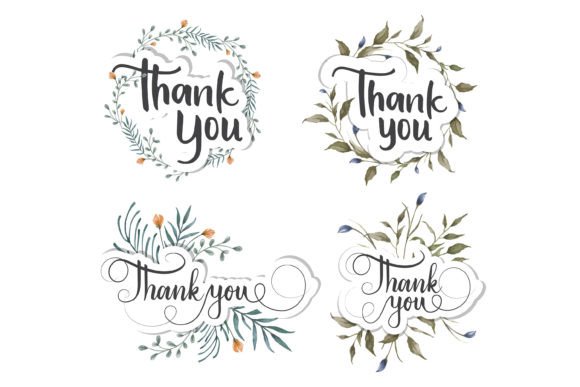
The thank you script itself is the foundation. Unlike rigid, blocky typefaces, script fonts emulate handwritten calligraphy. They possess flow, rhythm, and a human touch. A well-chosen thank you text font might feature elegant swashes, gentle letter connections, and varying stroke weights. This script becomes the literal voice of your message, setting a tone that can range from formal and refined to playful and casual. It ensures the words "thank you" are not just read, but felt.
The Watercolor: Softness and Emotion
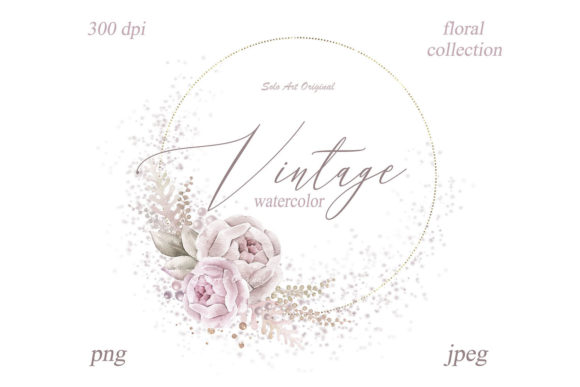
Watercolor artistry introduces a dimension of softness and imperfection that is deeply appealing. Unlike flat vector colors, watercolor textures exhibit gentle blends, subtle gradients, and delicate brushstroke transparency. When applied to floral ornaments, this technique creates a sense of warmth and organic authenticity. The pigments seem to bleed and bloom naturally, mirroring the emotional warmth of the gratitude being expressed. This aesthetic softens the overall design, making it feel approachable and heartfelt rather than cold or commercial.
The Florals: Symbolism and Decoration
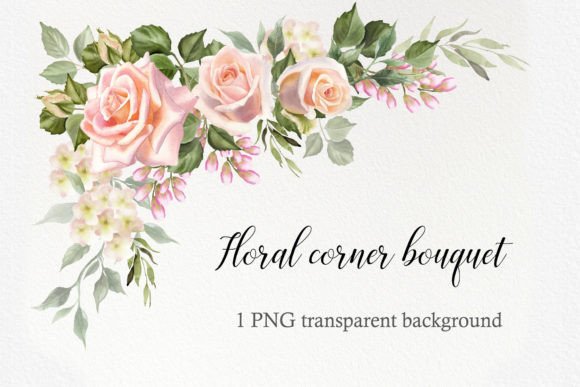
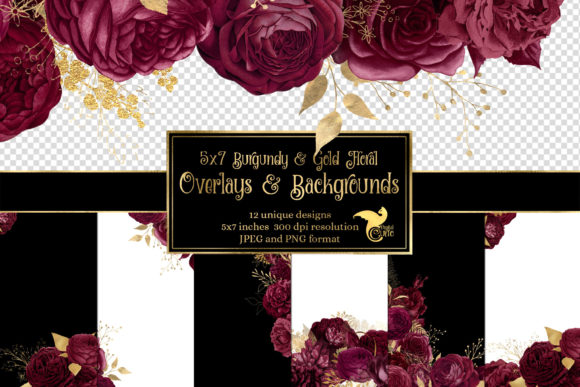
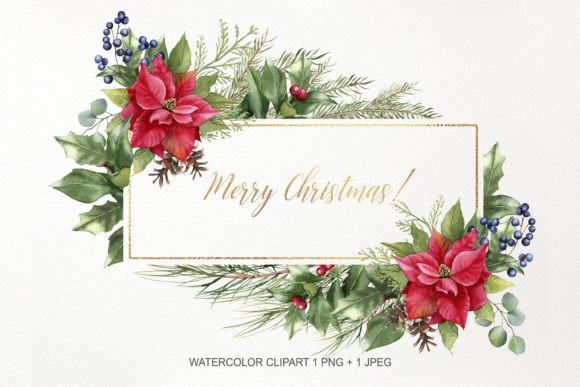
The floral components—be they wreaths, bouquets, or scattered blossoms—serve multiple roles. Practically, they act as beautiful decoration, framing the script text or filling space with visual interest. Symbolically, flowers have long carried meanings: roses for love and appreciation, lavender for devotion, peonies for prosperity and happiness. Integrating floral wreaths around text or placing a floral bouquet beside it can subtly enhance the message's depth. These elements connect the note to natural beauty and positive cultural associations, enriching the simple act of thanking someone.
Primary Applications and Real-World Use Cases
The fusion of these elements creates assets that are remarkably adaptable across both personal and professional spheres. The availability of multiple file formats, such as AI, EPS, SVG, PNG, and JPEG, as described in typical design packages, empowers creators of all skill levels.
For banner design, a large-scale format, a Floral Watercolor Thank You Script composition can become the centerpiece of a website's gratitude page, a physical event banner for a thank-you celebration, or a social media graphic announcing a heartfelt corporate message. The transparent background PNG files are crucial here, allowing the design to seamlessly overlay any digital background.
In card design, this style finds its most intimate application. Whether for a printable thank-you note, a folded greeting card, or an elegant e-card backdrop, the design sets the entire mood. SVG files, scalable without quality loss, allow hobbyists or small business owners to adjust sizes perfectly for different card formats without specialized software. The high-resolution PNGs ensure that physical prints, even of intricate watercolor details, remain crisp and clear.
Beyond Cards and Banners: Extended Utility
The utility of these designs extends into numerous other channels. Educators might use them to create certificates of appreciation for students or volunteers. Researchers could incorporate them into presentation slides acknowledging collaborators. Business owners integrate them into email newsletter headers, invoice footers expressing thanks for payment, or branded stickers included with product shipments. The EPS and AI files, editable in professional vector software, allow graphic designers to customize colors or floral arrangements to match specific brand palettes or event themes, making the core artwork a flexible template rather than a static image.
Characteristics and Advantages for the Creator
Choosing to utilize or create designs within this style offers several distinct advantages over purely text-based or stock-photo-driven thank you graphics.
- Emotional Connectivity: The combined aesthetic bypasses generic communication, forging an immediate emotional connection with the recipient. It signals that time and care were invested in the message.
- Visual Uniqueness: Even when using pre-made design elements, the watercolor and hand-drawn script feel ensures the output stands apart from standard, digitally-perfect graphics, offering a boutique, artisanal quality.
- Scalable Flexibility: As noted, the multi-format asset suite supports everything from web use (SVG, JPEG) to high-end print production (300 DPI PNG, AI), allowing a single design concept to serve across an entire project ecosystem.
- Time Efficiency for Non-Designers: For professionals, hobbyists, or small business owners without advanced design skills, access to ready-made, well-crafted thank you script and floral artwork provides a shortcut to beautiful, professional-grade outputs without requiring mastery of illustration or typography.
Key Considerations for Implementation
To maximize the effectiveness of this style, several practical considerations should be observed.
First, legibility is paramount. The most beautiful floral wreath should not obscure the core thank you text. The script font must be clear enough to read at various sizes, especially on smaller card formats. Design should balance decoration with communication.
Second, consider contextual appropriateness. A lavish, bouquet-filled design with a formal script might be perfect for a wedding thank you but less suitable for a casual thank-you to a colleague. The style's versatility means one can select subtler floral ornaments and a lighter script for different scenarios.
Third, technical preparation matters. When using the design files, understand their purposes. The vector formats (AI, EPS, SVG) are for editing and scaling. The raster formats (PNG, JPEG) are for final placement. Using a 300 DPI PNG with a transparent background ensures a perfect print for physical cards, while the JPEG might be optimal for faster web loading.
The Broader Trend: Personalization in Digital Communication
This specific design trend sits within a larger movement towards personalized digital goods. As consumers and professionals seek to infuse more humanity into their online and offline interactions, assets that blend artistic craftsmanship with practical utility become invaluable. The Floral Watercolor Thank You Script aesthetic is a response to this need—it offers a toolset to create gratitude artifacts that feel handmade and sincere, even when partially assembled from digital components.
Ultimately, whether you are a graphic designer creating original artwork, a business owner sourcing designs for your customer communications, or an individual crafting a personal note, this style serves a profound purpose. It reminds us that gratitude is not just a transaction but an emotion, and giving that emotion a beautiful, considered form deepens its power. By wrapping your thank you text in the gentle embrace of watercolor florals and elegant script, you are not just sending a message; you are offering a small piece of art, a keepsake of kindness that resonates far beyond the words themselves.