Botanical Floral Line Art: A Versatile Medium for Modern Design
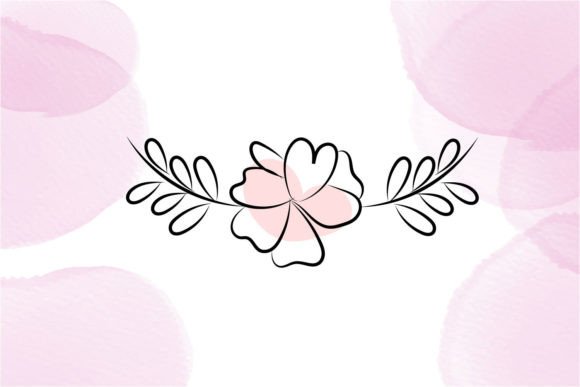
The world of digital design offers countless visual styles, but few are as enduringly elegant and adaptable as botanical floral drawing line art. This style refers to illustrations that use continuous, unbroken lines to depict plants, flowers, and leaves, creating a delicate, often minimalist, representation of natural forms. Its core characteristic is the single, flowing stroke, which can weave intricate floral compositions without relying on shading, color fills, or heavy textures. This makes botanical floral drawing line art distinct from more detailed botanical sketches or painterly floral graphics, offering a clean, modern aesthetic that prioritizes form and flow.
Understanding the Distinct Appeal of Continuous Line Illustration
What sets this style apart is its inherent duality: it is both simple and complex. The visual output is clean and uncluttered, making it highly legible and versatile. Yet, the technique requires careful planning to ensure the single line captures the entire subject’s essence. This continuous line approach creates a sense of connectedness and rhythm, often evoking a feeling of grace and femininity—hence the frequent descriptor "feminine continuous line illustration." Unlike a collection of separate strokes, the single line implies a journey, tracing the path from stem to petal in one graceful motion. This artistic constraint becomes its greatest strength, resulting in artwork that feels cohesive and intentional.
Compared to other floral illustration categories, such as vintage botanical prints with cross-hatching or colorful digital paintings, botanical floral drawing line art offers a different set of advantages. It avoids the dated feel some vintage styles can have and sidesteps the potential clutter of overly busy compositions. Its minimalist nature makes it a strong candidate for applications where subtlety and sophistication are key. However, this also presents a tradeoff: it may not convey the scientific detail of a traditional botanical engraving or the vibrant, emotional punch of a watercolor floral piece. Choosing between them depends largely on the project's required tone and the intended audience's expectations.
Key Features That Enhance Practical Utility
The practical value of a botanical floral drawing line art collection is significantly amplified by specific technical features. When such a collection is offered as a full vector file in formats like EPS, alongside JPGs, its utility expands across professional and personal projects.
- Full Vector & Editable Resizable: Vector graphics are defined by mathematical paths, not pixels. This means the artwork can be resized to any dimension—from a tiny logo on a business card to a massive mural print—without any loss of quality or resolution. This is a critical advantage over fixed-resolution raster images (like standard JPGs).
- High Resolution & Multiple Formats: Including high-resolution JPGs provides ready-to-use files for many applications, while the EPS vector format serves as the editable source. This combination caters to users with different software access and skill levels.
- Color Customization: The ability to change the colors of the line art is a powerful feature. A simple black line can be transformed into gold for a luxury wedding invitation, pastel hues for a spring-themed textile, or a bold color for a striking logo. This flexibility allows one design asset to serve multiple brand identities or seasonal campaigns.
- Software Recommendation: The note that for best results one should use Adobe Illustrator to open the files is a practical consideration, not a sales pitch. Illustrator is the industry-standard tool for manipulating vector paths. Attempting to edit complex vector lines in non-specialized software can lead to frustrating results, such as paths converting to unintended rasterized shapes.
Evaluating Use Cases: From Prints to Product Lines
The listed applications—prints, tattoos, posters, wall art, textile, cards, book interiors, T-shirts, logos—demonstrate the exceptional versatility of botanical floral drawing line art. Each use case presents different demands, and this style meets many of them due to its scalable and adaptable nature.
For physical products like textiles or T-shirts, the vector feature ensures the design can be scaled perfectly for different garment sizes and printing techniques without blurring. For wall art and posters, the high-resolution output guarantees crisp prints at large sizes. The minimalist line work translates well to tattoo designs, providing a clear blueprint for tattoo artists. In book interiors or cards, the elegance of the line art adds decoration without overwhelming the text. Perhaps one of its strongest applications is in logo design. A well-crafted continuous floral line can become a memorable, scalable brand symbol that conveys natural beauty, growth, or elegance.
However, it's worth comparing its fit for these uses against alternatives. For instance, a highly detailed, colored floral illustration might be more suitable for a poster aiming for a lush, romantic feel. A logo requiring extreme simplicity might opt for an even more abstract symbol than a floral line. The botanical line art sits in a balanced middle ground: it is illustrative but not overly complex, artistic but still highly legible.
Strengths and Natural Limitations
The strengths of this style are clear: versatility, elegance, scalability, and modernity. Its limitations are equally important to consider for informed decision-making. Botanical floral drawing line art is not designed to convey realism or dense botanical information. If a project requires viewers to identify specific plant species or appreciate textured details like veining on leaves, this style would be a mismatch. Its emotional tone is generally subtle, sophisticated, and calm; it may not effectively communicate energy, wildness, or intense passion.
Another consideration is the potential for homogeneity. Because the continuous line technique has become popular, some collections might feel derivative. The true value lies in the uniqueness of the floral composition—the specific arrangement of stems and blooms—and the quality of the vector paths. A poorly constructed line with awkward breaks or clumsy curves will undermine the entire aesthetic, even if the file is technically a vector.
Decision Factors: When This Collection Is the Right Choice
Choosing a botanical floral drawing line art collection depends on aligning its characteristics with your project's core needs.
It may be the right choice when:
- You need a single design asset that can be adapted for multiple, differently sized products (e.g., a logo that also appears on merchandise and large signage).
- The desired aesthetic is modern, minimalist, or feminine without being overtly decorative.
- You require the ability to easily change colors to match different brand palettes or seasonal themes.
- Your production process relies on scalable artwork for high-quality physical printing (textile, wall art).
- You have access to, or can work with a designer who uses, vector editing software like Adobe Illustrator to perform custom edits.
You might need another option when:
- The project demands hyper-realistic or scientifically accurate botanical imagery.
- The emotional tone should be bold, gritty, or highly energetic.
- You only need a one-time, fixed-size image for a digital blog post and have no need for editing or resizing.
- You lack the tools or skills to utilize vector files and need a fully finished, color-locked image in a simple format.
Making an Informed Selection Among Resources
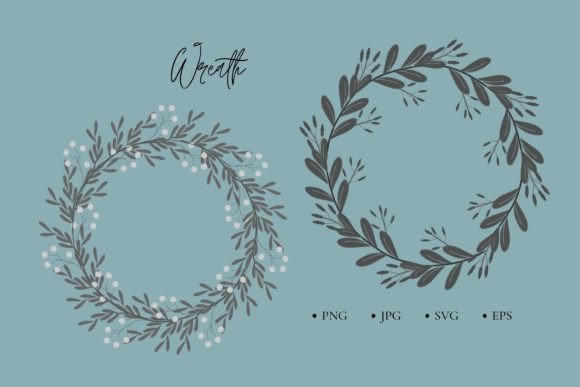
When evaluating a specific botanical floral drawing line art collection, look beyond the initial beauty of the preview images. Examine the technical specifications closely. A collection offering only low-resolution JPGs will severely limit your applications. Verify the formats included and ensure "full vector" means truly editable paths, not just a PDF with embedded images. Consider the range of floral designs within the collection—does it offer a variety of layouts (single flowers, wreaths, bouquets) that suit your potential uses? Also, assess the artistic coherence; the line work should feel confident and fluid.
In comparison to commissioning a custom illustration, purchasing a pre-made collection offers cost efficiency and immediate availability. The tradeoff is less exclusivity. Compared to using free stock vector florals, a premium collection often provides more curated, higher-quality artwork with consistent styling and proper technical file handling. The decision factor here often involves budget, timeline, and the need for a unique, copyright-secure asset.
Ultimately, botanical floral drawing line art serves as a powerful toolkit for creators and businesses. Its value stems from the marriage of a timeless artistic style with modern digital flexibility. By understanding its distinct characteristics, practical features, and ideal use cases, you can determine whether it aligns with your specific project requirements or if a different illustrative path might be more suitable. This informed approach ensures the visual resources you choose not only look beautiful but also function effectively across the mediums you intend to use.