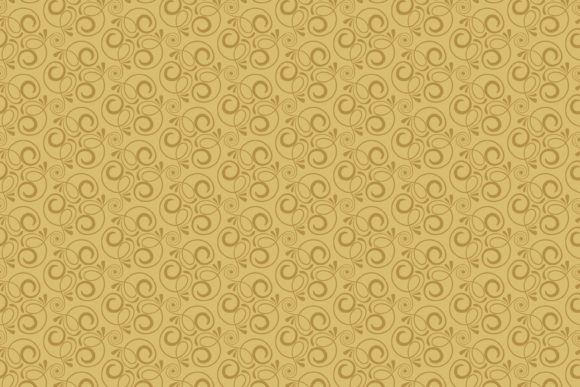
The Art and Workflow Integration of Floral Fabrics Pattern Design
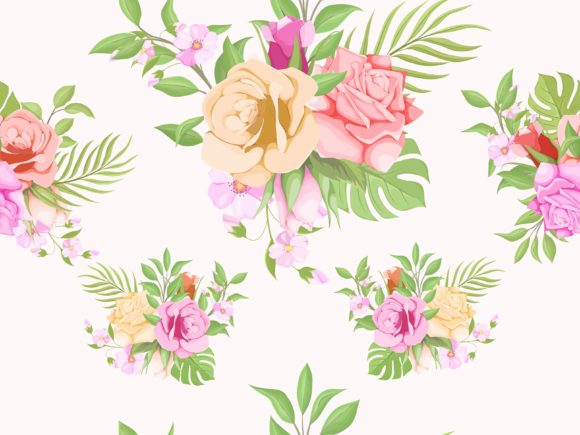
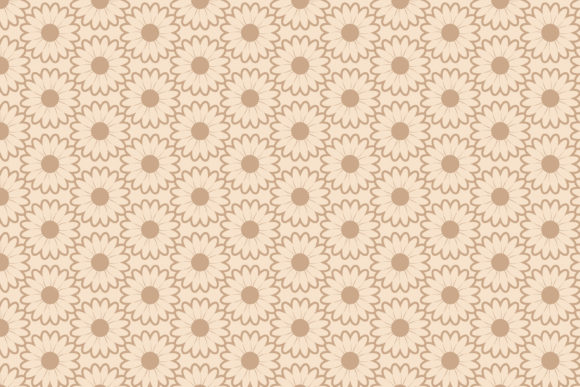
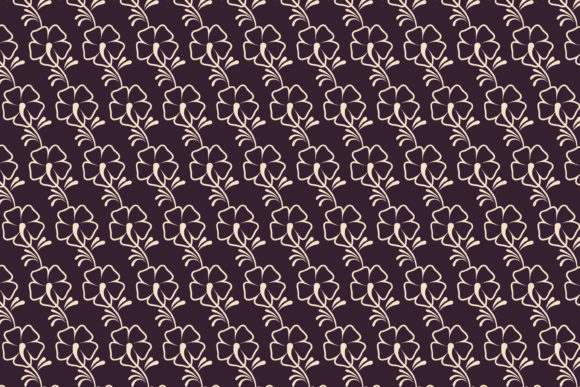
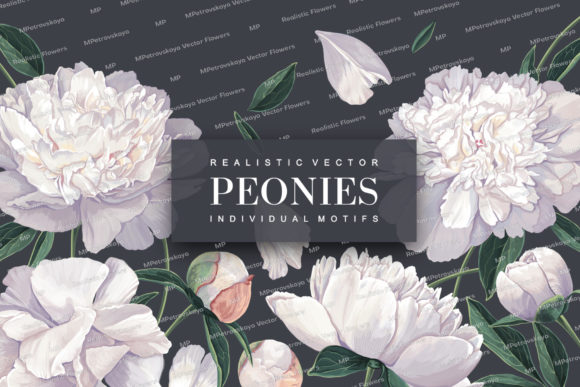
Floral Fabrics Pattern Design refers to the creation of intricate, repeatable patterns featuring floral motifs specifically intended for application on fabrics and various surface designs. This discipline sits at the intersection of traditional textile artistry and modern digital design workflows. It is not merely about drawing flowers; it is a systematic process of creating a visual asset that can be seamlessly repeated across any dimension of material or digital canvas without visible breaks or boundaries. For professionals and creators, this represents a foundational asset in numerous projects, serving as a versatile starting point or a finishing decorative layer.
Where Seamless Floral Patterns Fit into Creative and Commercial Workflows
Understanding the placement of these assets within a broader process is crucial for efficient use. A high-quality seamless floral pattern is often a preparatory asset, acquired or created early in a project's lifecycle. For instance, a small business owner planning a line of printed tote bags might source a floral pattern during the initial concept and mood board phase. This decision influences subsequent choices regarding color palettes, complementary graphics, and even the type of fabric to be used. The pattern acts as a visual anchor.
Similarly, in a digital workflow, a blogger designing a custom website background or an educator creating unique presentation templates might integrate a floral pattern during the layout design phase, after the core content structure is defined but before final aesthetic polishing. Its usage is strategic, filling a specific need for texture, brand warmth, or visual interest without requiring the designer to build the complex repeat pattern from scratch, which is a time-intensive specialist task.
The Multi-Phase Utility of a Single Pattern Asset
The true power of a well-crafted floral fabrics pattern design lies in its phase-spanning utility. Let's trace its potential journey through a project:
Before Project Execution: During the planning and brainstorming stage, these patterns can serve as inspiration. Viewing a catalogue of floral designs can help define a project's stylistic direction—be it vintage, modern, tropical, or minimalist. A freelancer might select a pattern as part of a client proposal to visually communicate a suggested aesthetic.
During Active Development: This is the most common integration point. The pattern is imported into the working file. For a book cover designer, it might become the backdrop texture behind the title text. For a Print-on-Demand (POD) entrepreneur, it is applied directly to the mock-up of a shirt, pillow, or mug in an online platform's design tool. Its seamless nature ensures that no matter how the mock-up is scaled or stretched, the design flows continuously, providing a professional, print-ready appearance.
After Primary Project Completion: The same asset can be repurposed for marketing and derivative works. The floral pattern used on a book cover can be adapted for social media banners promoting that book. The fabric pattern designed for a physical clothing line can become the wallpaper for the brand's e-commerce website, ensuring visual consistency across customer touchpoints.
Key Features and Their Practical Implications for Workflow
The listed features of these patterns—high resolution, seamless repeats, vector format, and easy customization—are not just marketing points; they are workflow enablers.
- 300 DPI Resolution & High Resolution: This is essential for print integrity. Integrating a low-resolution pattern into a fabric design project can lead to a catastrophic final product with blurred, pixelated prints. High resolution guarantees that whether the output is a small logo or a large-format curtain, the floral detail remains sharp. This feature directly impacts the quality control stage of any physical product workflow.
- Seamless Tiling: The technical hallmark. This eliminates a major design hurdle. When applied in software like Adobe Photoshop or Illustrator, the pattern swatch can be repeated infinitely. For fabric manufacturers or POD service software, this means the design automatically adapts to any garment size or product dimension without the designer manually adjusting edges.
- Vector Illustration (AI & EPS 10 Files): Perhaps the most significant feature for workflow flexibility. Vector files are not made of pixels; they are made of mathematical paths. This allows a creator to open the .AI or .EPS file in a program like Adobe Illustrator and customize every element without quality loss. Colors (using the RGB Color Mode) can be globally changed to match a new brand palette. Individual leaves or flowers can be moved, scaled, or recolored. This transforms a purchased asset from a static background into a dynamic, adaptable component of your design system.
- Quick and Easy to Customize Templates: This speaks to efficiency. Time is a critical resource for entrepreneurs and freelancers. Starting with a complex, beautiful base template where the floral repeat is already perfectly constructed saves hours of technical drawing. The designer can focus their effort on the unique customization that makes the final product theirs.
Interacting with Other Tools and Platforms
Floral fabrics pattern designs do not exist in isolation. Their value is realized through integration. They are typically used within:
- Graphic Design Software: Adobe Illustrator (for vector editing), Photoshop (for bitmap application and texturing), and even free alternatives like Inkscape.
- Print-on-Demand Platforms: Websites like Printful, Redbubble, or Shopify POD integrations have design upload interfaces. The provided JPEG file is often used here for quick application, while the vector files are kept for deeper, brand-level customization offline.
- Book and Cover Design Tools: Both professional publishing software and online cover generators can accept JPEG or background patterns.
- Adult Coloring Book Creation: In this case, the vector file is paramount. Creators can modify the pattern's line weights, simplify details, and prepare pages for publication using the scalable vector artwork.
Compatibility is therefore a key consideration. Ensuring the pattern files you acquire (AI, EPS, JPEG) are compatible with the software in your standard workflow prevents mid-project obstacles.
Implementation Tips for Smooth Integration into Your Work
To effectively incorporate these design assets, a practical, organized approach is beneficial.
Asset Organization: Treat your acquired floral patterns like a professional library. Create a dedicated folder system on your computer or cloud storage, categorizing patterns by style (e.g., "Vintage Roses," "Abstract Florals," "Tropical"), color scheme, or intended use. Include the original vector files and the derived JPEGs. This saves immense time during the project initiation phase when searching for the right visual component.
Customization Protocol: When you need to customize a vector pattern, follow a consistent process. First, duplicate the original master file before editing. Next, use Illustrator's global color swatch features to change colors efficiently across the entire pattern, rather than manually selecting each element. This maintains consistency and speed. If altering the pattern's scale or density for a specific use (like a finer pattern for phone cases versus a bolder one for towels), do this in a new, project-specific file, preserving the master for future, different applications.
Quality Assurance Check: Before finalizing any project using a floral pattern, especially for print, conduct a tiling test. Apply the pattern to a canvas significantly larger than your final product and scrutinize the seams. A true seamless pattern will show no visible grid or repeating break. Also, verify the output resolution. If using the JPEG, ensure your software is not inadvertently reducing its DPI for web optimization when print is required.
Long-Term Use and Brand Consistency
For businesses and recurring creators, a well-chosen floral fabrics pattern design can become part of a brand's visual identity. By leveraging the vector files for deep customization, you can adapt the same core pattern across seasons or product lines—changing colors from spring pastels to autumn earth tones, for example. This creates a recognizable yet flexible aesthetic thread across your work, aiding in brand cohesion. The asset becomes a long-term strategic resource, not a one-time purchase.
Furthermore, the scalability of vector illustrations means a pattern designed for a fabric today can be used on a giant trade show banner tomorrow without any loss of quality. This forward-compatibility protects your investment and supports growth.
Conclusion: A Foundation for Creative Execution
Floral Fabrics Pattern Design, particularly in the form of high-resolution, seamless, vector-based patterns, is a pragmatic solution for a wide spectrum of creative and commercial needs. It inserts itself into workflows as a ready-made, yet malleable, component that accelerates production while upholding quality. By understanding its features—the vector files for customization, the seamless tiling for application ease, the high resolution for output fidelity—professionals can strategically deploy these assets to enhance efficiency from project planning through to execution and beyond. Its utility across platforms for POD products, book covers, digital backgrounds, and even coloring books underscores its role as a versatile, process-oriented tool in the modern creator's toolkit.