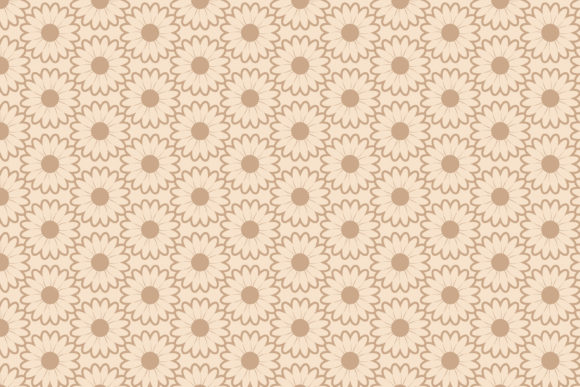
Understanding Geometric Floral Pattern Design
In the vast world of surface design and digital illustration, geometric floral pattern design represents a compelling fusion of two distinct artistic approaches. It blends the organic, flowing forms found in nature—flowers, leaves, vines—with the structured precision of geometric shapes: circles, triangles, hexagons, and grids. This combination creates patterns that are both visually ordered and naturally inspired, offering a unique aesthetic that stands apart from purely realistic botanicals or abstract geometrics.
The Distinct Characteristics of Geometric Florals
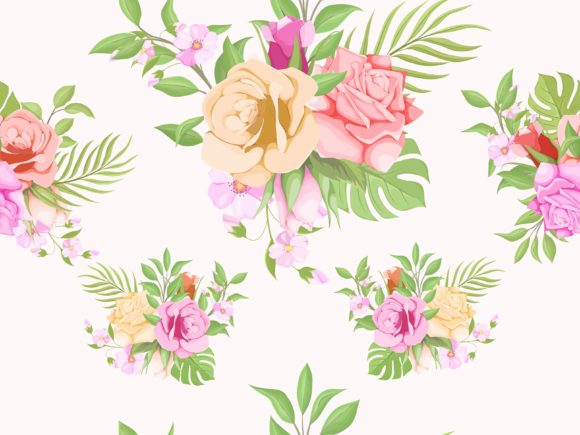
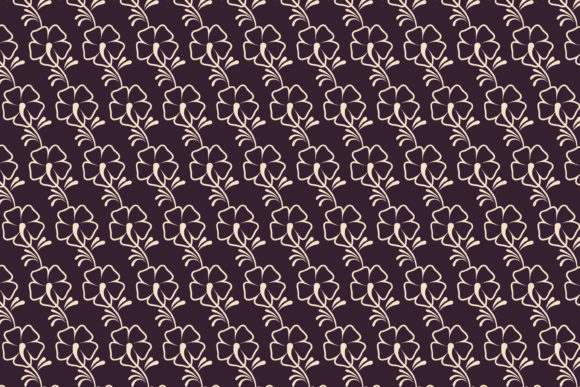
What defines a geometric floral pattern is its foundational structure. While the motif is floral, its construction relies on geometric principles. A rose might be constructed from concentric circles and sharp triangles, or a leaf might be simplified into a series of overlapping polygons. This approach differs significantly from a hand-drawn, painterly floral pattern, which prioritizes naturalistic detail and irregular, organic layouts. The geometric framework introduces rhythm, symmetry, and often a sense of modularity, making these patterns particularly well-suited for repeating seamlessly across a surface.
The seamless floral pattern mentioned here is a direct outcome of this geometric discipline. Because the floral elements are built upon measurable, repeatable shapes, designers can easily tile them without visible breaks or awkward overlaps. This high-resolution, vector-based approach ensures the pattern can scale infinitely for large format printing on fabrics or remain crisp for small applications like mobile app icons, a flexibility that more raster-based, photographic floral patterns often lack.
Comparing Design Styles and Applications
When evaluating pattern options for a project, understanding the spectrum of available styles is crucial. Geometric floral patterns occupy a specific niche. They often serve as a midpoint between two broader categories: traditional floral designs and pure abstract geometrics.
Traditional or realistic floral patterns offer immediate natural beauty and are a classic choice for fabrics, wallpapers, and stationery. Their strength lies in their familiarity and emotional resonance. However, they can sometimes feel too busy or lack the modern, structured feel required for contemporary branding or tech-related products. On the other end, stark geometric patterns provide cleanness, order, and a modern vibe but can be perceived as cold or impersonal for projects needing a touch of warmth or life.
A geometric floral pattern design bridges this gap. It provides the warmth and recognizability of floral imagery while maintaining the clean, scalable, and often minimalist appeal of geometric art. This makes it a versatile candidate for projects that need to feel both human and systematic, such as a branding project for a wellness tech company or packaging for a lifestyle product.
Where Geometric Florals Excel: Key Use Cases
The inherent qualities of these designs make them a strong fit for several practical applications. Their seamless nature is paramount for fabric design for apparel or home decor, where a continuous, unbroken repeat is essential. The vector file format (like the included Ai and EPS 10 files) allows for effortless color changes, which is invaluable for creating coordinated collections or adapting a design for different product lines.
- Adult Coloring Books: The clear, structured lines of geometric florals provide a satisfying and less overwhelming framework for colorists compared to highly dense, realistic illustrations.
- Print-on-Demand (POD) Products: The high-resolution 300 DPI files ensure quality on items from mugs to large pillows. The ease of customization means designers can quickly tailor colors to match seasonal trends or specific brand palettes.
- Book Cover Design: These patterns can convey themes of growth, structure, or modernity, offering a more symbolic and less literal alternative to standard floral covers.
- Digital Interfaces: The scalable vector nature makes them suitable for website backgrounds, app icons, or UI elements where a blend of organic and digital aesthetics is desired.
Evaluating Features and File Formats
When assessing a geometric floral pattern resource, the technical specifications directly impact its utility. The features listed—RGB color mode, 300 DPI resolution, and vector illustration—are not just buzzwords; they dictate the pattern's range of use.
RGB color mode is standard for digital design and screen-based work, but it's important to note it is not ideal for professional print processes requiring precise CMYK color separation. For most POD platforms and digital printing, RGB is perfectly acceptable, but for high-end commercial fabric printing, a CMYK conversion might be necessary, a potential tradeoff.
The inclusion of multiple file types addresses different user needs and skill levels. The AI and EPS 10 files are for professional designers using vector software like Adobe Illustrator; these are the files for true customization, scaling, and editing of the actual shapes. The JPEG file serves as a ready-to-use, high-quality raster image for those who may not have vector software or need a quick placement. It's a practical bundle, but users should understand that customization is limited with the JPEG—colors and shapes cannot be fundamentally altered without significant raster editing work.
Tradeoffs and Decision Factors
Choosing a geometric floral pattern design over other styles involves considering your project's goals and constraints. One strength is its modern adaptability, but a potential limitation is its stylized nature. If your project requires the authentic, detailed beauty of a specific flower for a botanical guide or luxury perfume packaging, a more realistic floral illustration might be a better match. The geometric interpretation is symbolic rather than literal.
Furthermore, while the seamless vector format offers immense scalability, the very geometric style itself can sometimes feel repetitive if the tile is too small or the motif too simple. A more organic, non-seamless floral illustration might create a more unique, one-off focal point for a poster or album cover where a repeating background isn't needed.
Decision factors should include:
- The required tone: Modern and structured vs. classic and natural.
- The end product: Repeating fabric vs. single-use logo vs. coloring book page.
- Your technical capability: Ability to edit vector files (for customization) vs. needing a ready-to-use JPEG.
- The color workflow: Digital/RGB use vs. specialized CMYK print production.
When Is Geometric Floral Pattern Design the Right Choice?
This design approach is particularly fitting when your needs lean towards versatility, modern aesthetics, and technical flexibility. It is a strong resource for designers and creators who work across multiple mediums and require a single asset that can be adapted for fabric, web, and print. It suits projects aiming for a fresh, contemporary look that still incorporates recognizable natural elements.
Conversely, you might consider another option if your project demands photographic realism, a deeply traditional or romantic feel, or a completely non-repeating, bespoke illustration. Also, if your primary output is strictly for high-end commercial print with specific CMYK color requirements, starting with a vector RGB file may add an extra step to your workflow.
Ultimately, geometric floral pattern design offers a powerful toolset—seamless integration, easy customization, and a hybrid aesthetic. By understanding its distinct place compared to other floral and geometric styles, and by carefully matching its features and formats to your project's specific demands, you can make an informed decision on whether this versatile approach is the optimal resource for your creative or commercial endeavor.